Interested in a FREE site visit from one of our partners to answer your questions? Book Now
alpenscapes
Landscaping in Big Sky
know why we're different
What's Different About Big Sky?
Big Sky is part of a rare and remarkable ecosystem. For many of us, that’s what makes our home so special. Protecting what we love about this place requires shared stewardship. Our natural resources, livelihoods, ecosystem health, and way of life all depend on it.
Life in Big Sky is shaped by extremes: long winters, short and drought-prone summers, increasing wildfire risk, and a water supply dependent on snowpack.
Our mountains, meadows, forests, and streams demand something different, something resilient. The way we design and care for our landscapes directly impacts our ecosystem and the safety of our homes.
Alpenscapes helps the community make informed landscape choices that work with Big Sky’s environment, not against it.
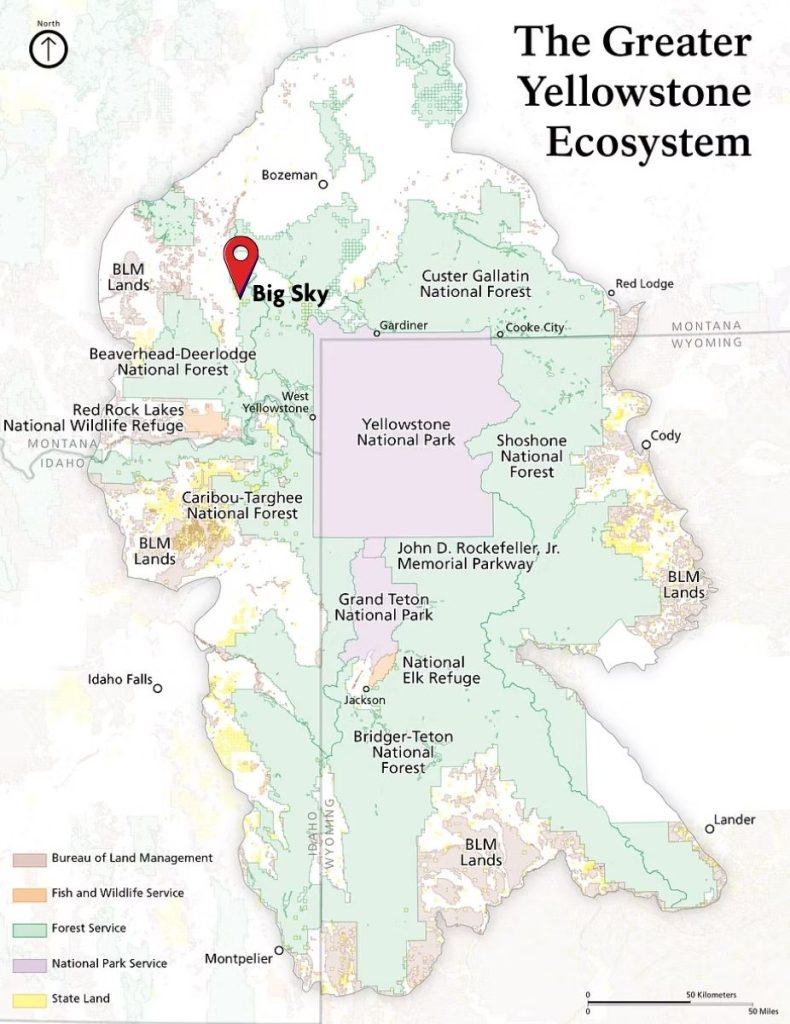
Located within the Greater Yellowstone Ecosystem, Big Sky and its landscaping impact one of the largest nearly intact ecosystems on Earth.
Photo: Greater Yellowstone Coordinating Committee
The Alpenscapes Approach
Living in Big Sky means living with fire, sharing water across seasons, managing invasive species, and stewarding one of the last truly wild ecosystems in North America.
Alpenscapes brings these priorities together because no single landscape decision exists in isolation.
By 2050, Big Sky is projected to have 23 fewer ski days each year.
Adapting to a Changing Climate
Big Sky’s climate is defined by extremes: long winters, short growing seasons, drought-prone summers, and increasing temperature swings that affect plant survival, wildlife behavior, and water availability. Climate change is only intensifying these impacts. Landscapes here must perform across seasons—not just look good in July.
know why we're different
It's Not One Size Fits All
An Alpenscapes approach doesn’t mean eliminating lawns or sacrificing beauty; it means being intentional. It means choosing where turf makes sense, selecting plants that meet multiple goals, and understanding that every property has different priorities.
Conflicts Exist
It’s important to note that conflicts exist between firewise, water-wise, and native-friendly landscapes. In an effort to achieve all three, there will inevitably be tradeoffs you have to make, and some of your choices may contradict each other. Here are a few you may run into:
we hear it all the time:
“That plant is native, but is it fire-safe?”
“I still want a lawn.”
“I want curb appeal and functionality.”
“This looks great, but will it survive winter?”
Well-hydrated plants are important for fire protection, but water conservation is important too.
Arborist wood chips are the best mulch—they’re great for water conservation, helping keep moisture in the soil and limiting evaporation, and woody debris is important for ecosystem health, but both are a huge fire danger.
Tall grass conserves soil moisture and provides food for elk, but can serve as fire fuel when temperatures soar.
Your Property is Unique as You Are
There is no one-size-fits-all formula. What works best depends on your home, slope, sun exposure, irrigation access, wildfire risk, and landscape goals.
A heavily forested property may need to prioritize wildfire risk reduction, while another site may focus more on water conservation, erosion control, or creating habitat.
The goal is to make informed choices that fit your property and support long-term resilience.
There is rarely a single perfect solution, only informed choices. That’s where Alpenscapes comes in.
Download our landscaping guidelines for detailed information on everything from how to get started to how to maintain a thriving fire-safe, water-wise and ecosystem-friendly Big Sky landscape.