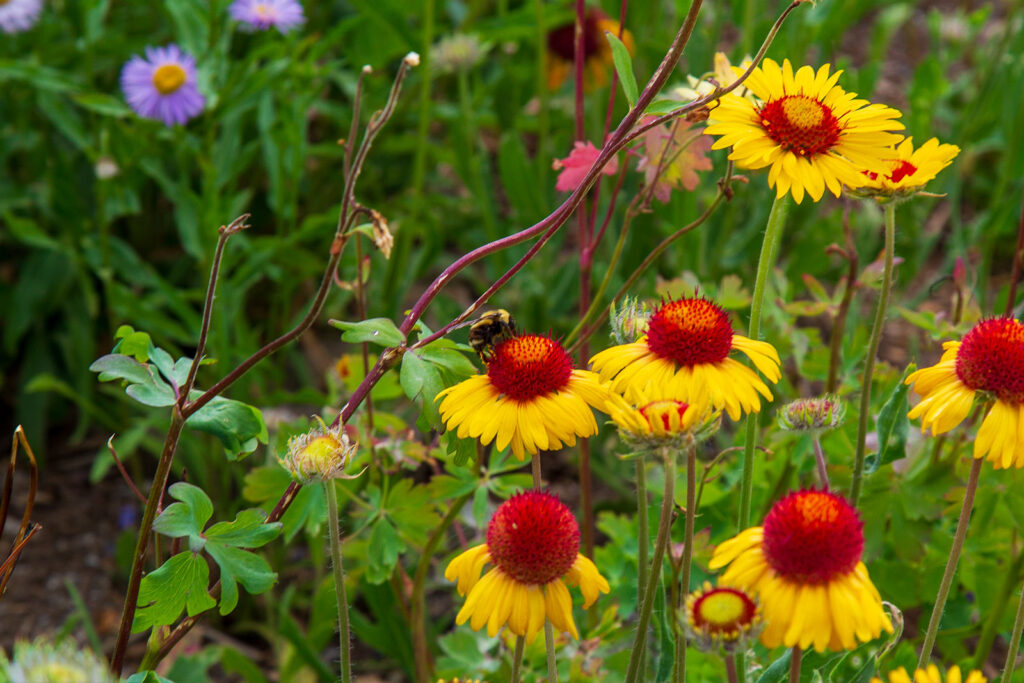
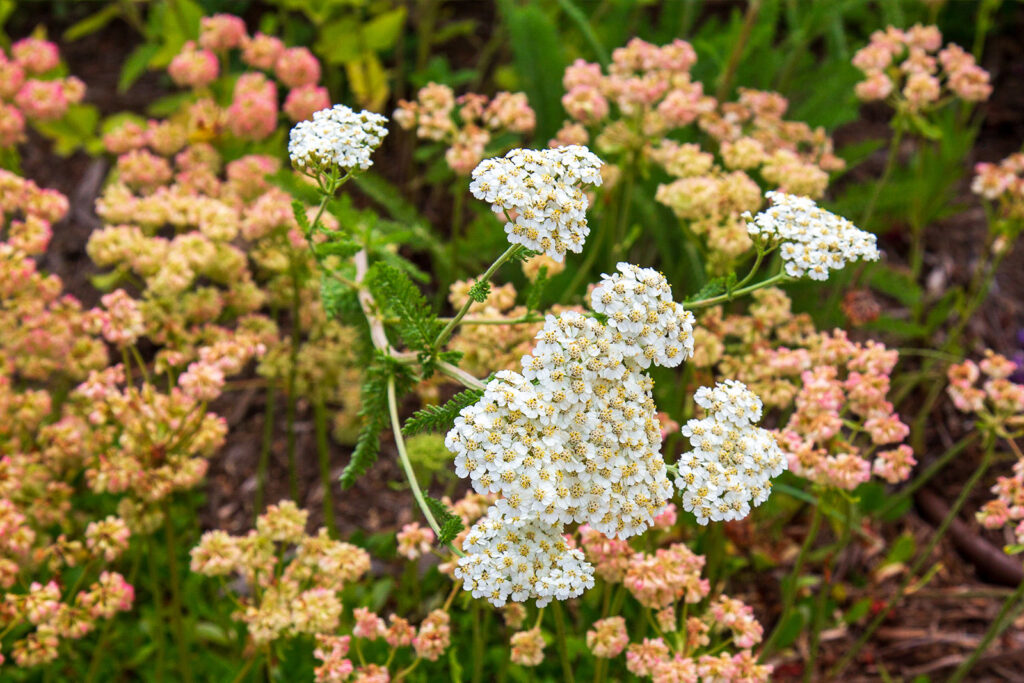
Native species have evolved over hundreds or thousands of years in a region or ecosystem. Planting native species should always be your first choice when designing your landscape.
Their ability to survive long winters and adapt to local environmental conditions allows them to thrive in our mountain climate, making them both a sustainable and practical choice for protecting and beautifying your home.
8 Benefits of Planting Native
1. Climate-adapted and resilient
Native plants are naturally suited to local climate, soils, and weather extremes.
2. Less water use
Once established, native plants typically require far less waterthan non-native species.
3. Support fire-resilient landscapes
When properly selected, spaced, and maintained, native plants can support Firewise principles.
4. No fertilizers or pesticides needed
Native plants thrive without chemical inputs, helping protect soil health and nearby waterways.
5. less maintenance
Once established, native plants typically require less mowing, pruning, and replacement than non-native species.
6. support biodiversity & wildlife habitat
Native plants provide food, shelter, and breeding habitat for birds, pollinators, and wildlife.
7. Protect water & air quality
Healthy plant communities help produce oxygen and filter pollutants out of rivers and streams. Deep root systems reduce runoff and erosion.
8. Increase property value and curb appeal
Thoughtfully designed native landscapes are beautiful, functional, and increasingly valued for sustainability.
A noxious weed is a plant designated by federal, state, or local authorities as harmful to agriculture, wildlife habitat, recreation, property, or public health. These species spread quickly, outcompete native vegetation, reduce biodiversity, and can be difficult and costly to control once established.
Unlike native plants, noxious weeds disrupt ecosystem balance and provide little benefit to local wildlife. In Montana, landowners are legally required to manage listed noxious weeds and prevent their spread.
Learning to identify and remove noxious weeds is an important part of protecting your landscape, supporting local ecosystems, and preserving the health of the Greater Yellowstone region.
What are keystone plants? These native plants form the backbone of our local ecosystem. They are highly productive, supporting the highest number of species and playing a critical role in maintaining or restoring native biodiversity. Landscapes that don’t have one or more of these keystone plants will not have a thriving food web, resulting in imbalances in its ecosystem.
Help support the Big Sky ecosystem by incorporating one or more of these native plant species into your landscape while also reducing fire risk and water use.
* Please note that specific species are given as examples, but selecting any species within the genera that is native to Big Sky is a good option.
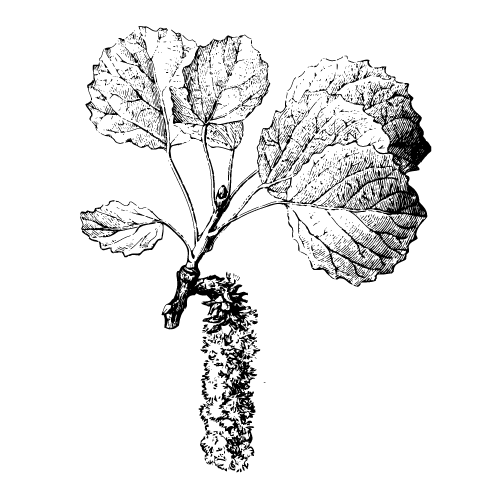
Quaking Aspen
(Populous tremuloides – Populous)
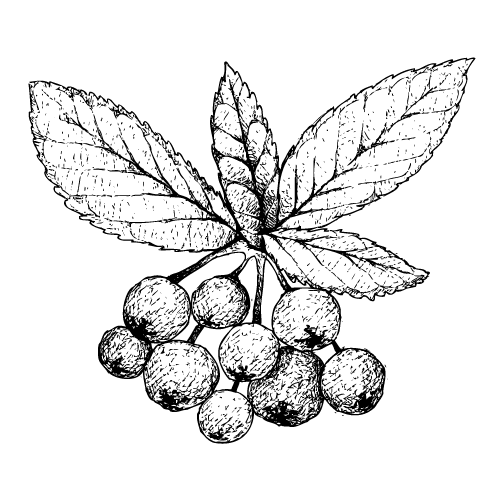
Chokecherry
(Prunus virginiana – Prunus)
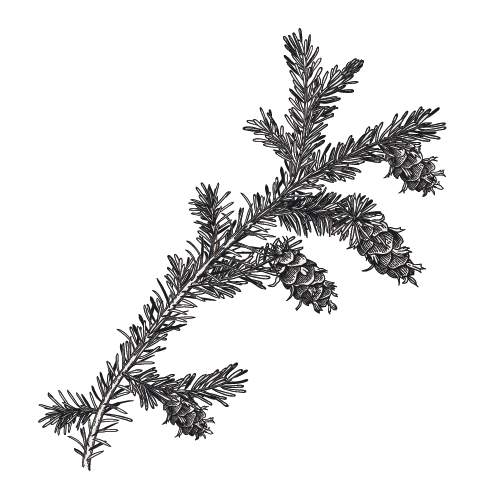
Douglas Fir
(Pseodotsuga menziesii -Pseudotsuga)
Bebb Willow
(Salix bebbiana – Salix)
Pale Purple Coneflower
(Echinacea pallida – Echinacea)
Show Fleabane
(Echinacea pallida – Erigeron)
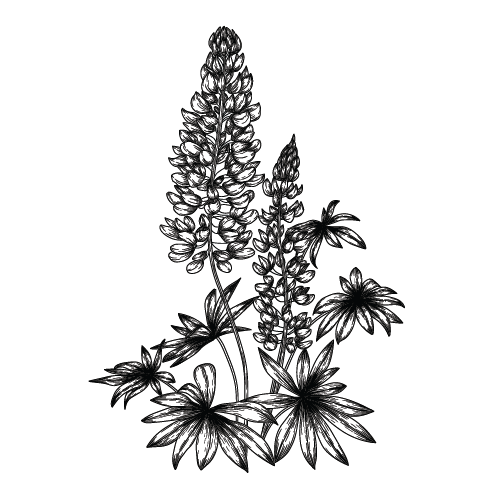
Silky Lupine
(Lupinus sericeus – Lupinus)
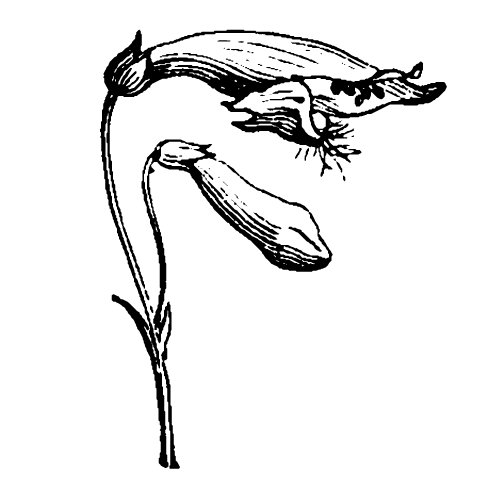
Littleflower Penstemon
(Penstemon procerus – Penstemon)
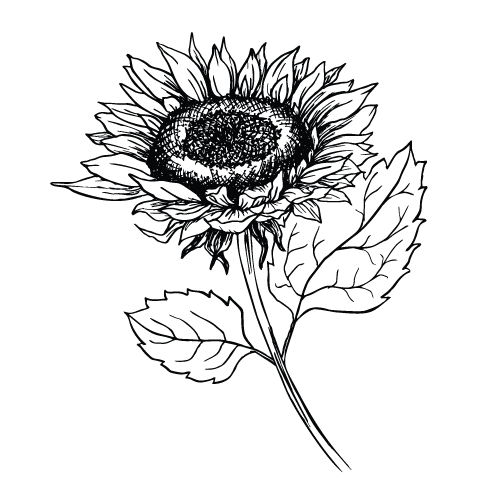
Oneflower Sunflower
(Helianthella uniflora – Helinanthus)
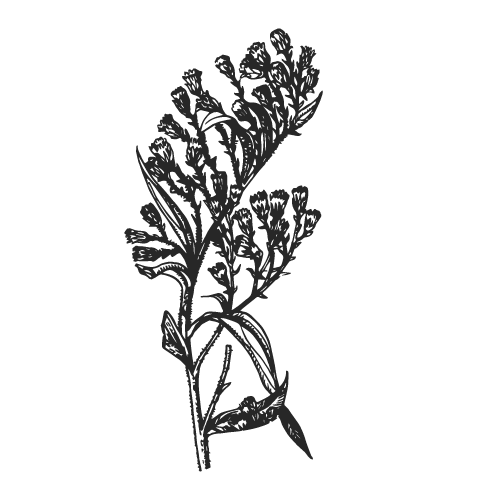
Goldenrod
(Solidao missouriensis – Salidago)
view full list
Plant Resource Center
Download our detailed spreadsheet of the best plants for local landscapes in Big Sky with specifics on their care, benefits, and growth patterns.