A Summer of Garden Tours: Five Lessons We Learned
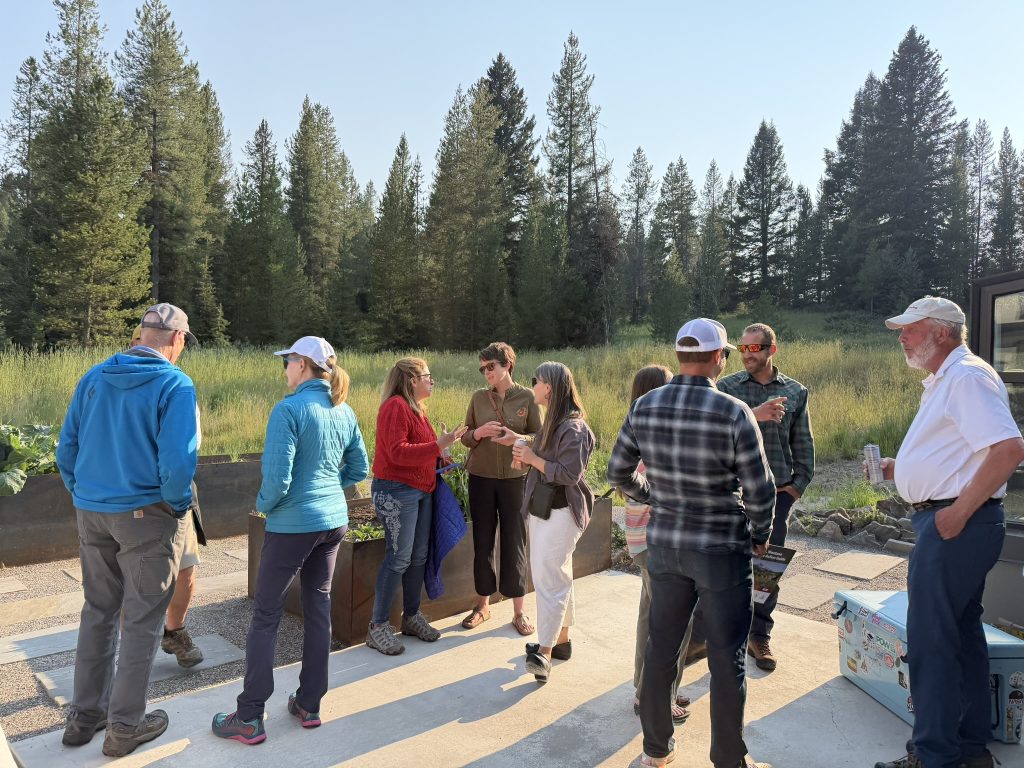
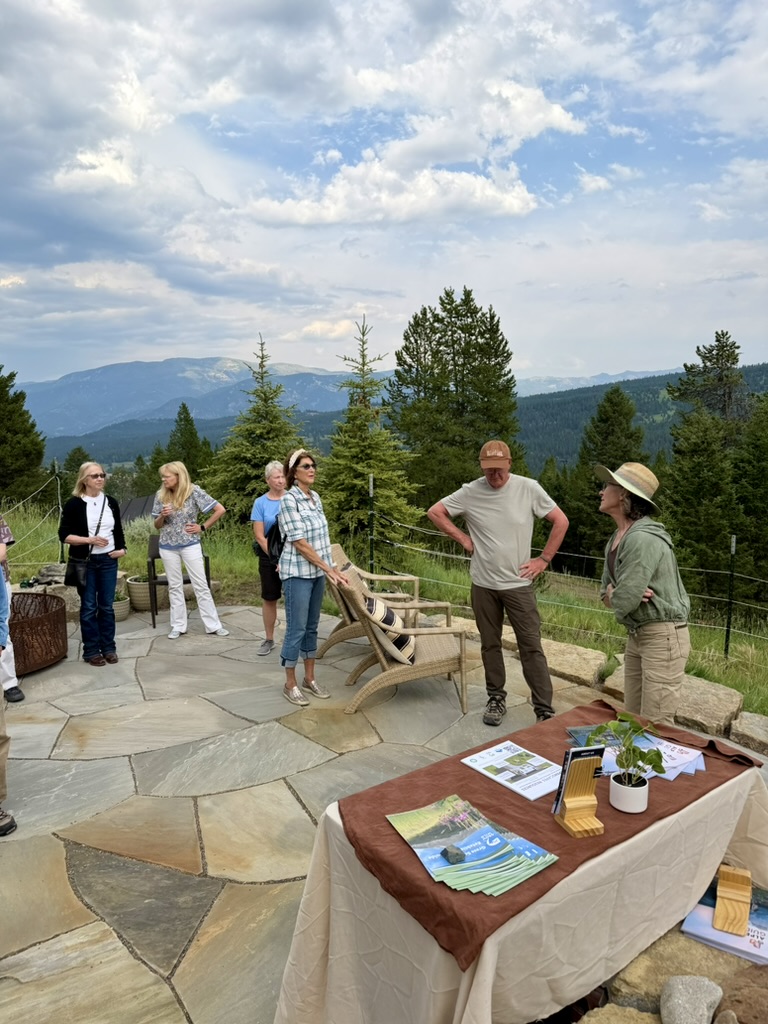
This summer, Alpenscapes invited the Big Sky community to explore five unique properties through the Resilient Landscape Tour, held in partnership with Grow Wild’s Wildflower Festival and a series of Alpenscapes Garden Parties. At each event, property owners welcomed community members to explore their landscapes, connect with neighbors, and learn from one another.
Each landscape told a different story. We visited established gardens, newer landscapes, spaces shaped by forestry work, and properties designed to balance beauty with wildfire preparedness. Along the way, homeowners and local experts shared what worked, what didn’t, and how their landscapes have evolved.
Here are five lessons we learned this summer.
1. Every Property, and Every Property Owner, is Unique
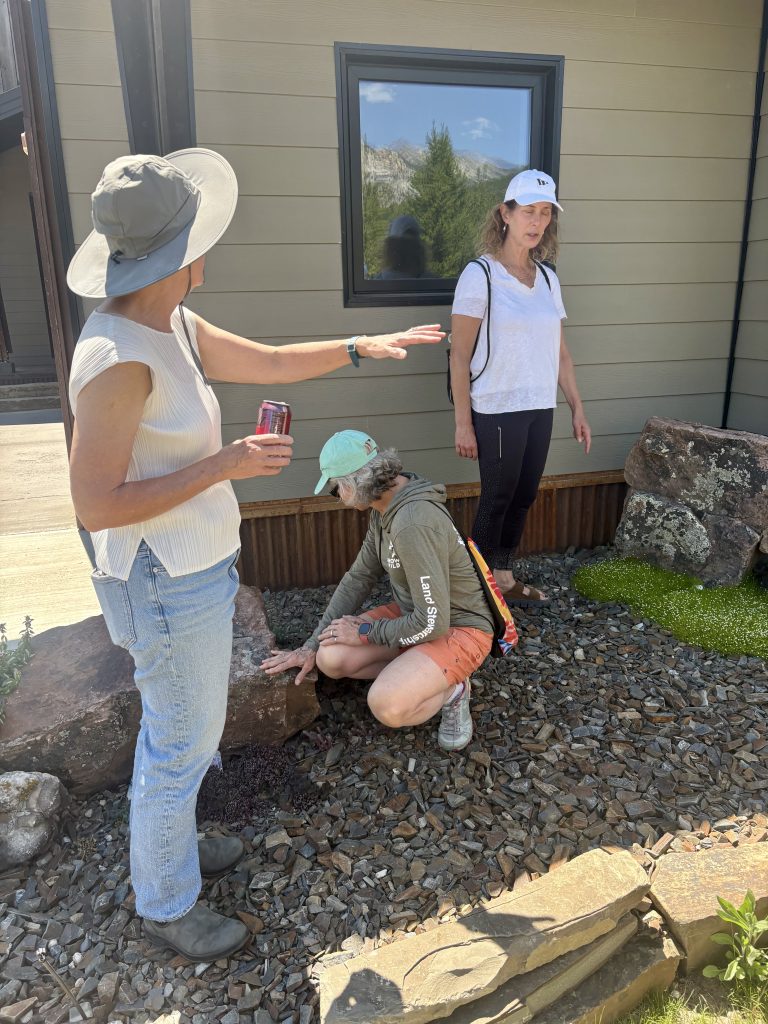
There is no single formula for creating a resilient landscape.
Some homeowners want a low-maintenance yard, while others dream of a colorful garden, a place for their children to play, or a landscape designed to withstand wildfire better. Every property also has its own conditions, including sun exposure, soil, slope, existing vegetation, and access to water.
The good news is that although every landscape is unique, every landscape can become more resilient. A yard can be beautiful, functional, and personal while also being fire-safe, water-wise, and ecosystem-friendly. Resilient landscaping does not require sacrificing how you want to use your outdoor space. It means making thoughtful choices that work with Big Sky’s climate, our natural environment, and your personal needs.
2. Fire-Wise Can Still Be Full of Life
One of the most encouraging lessons from the tours was that wildfire preparedness does not require creating a barren landscape.
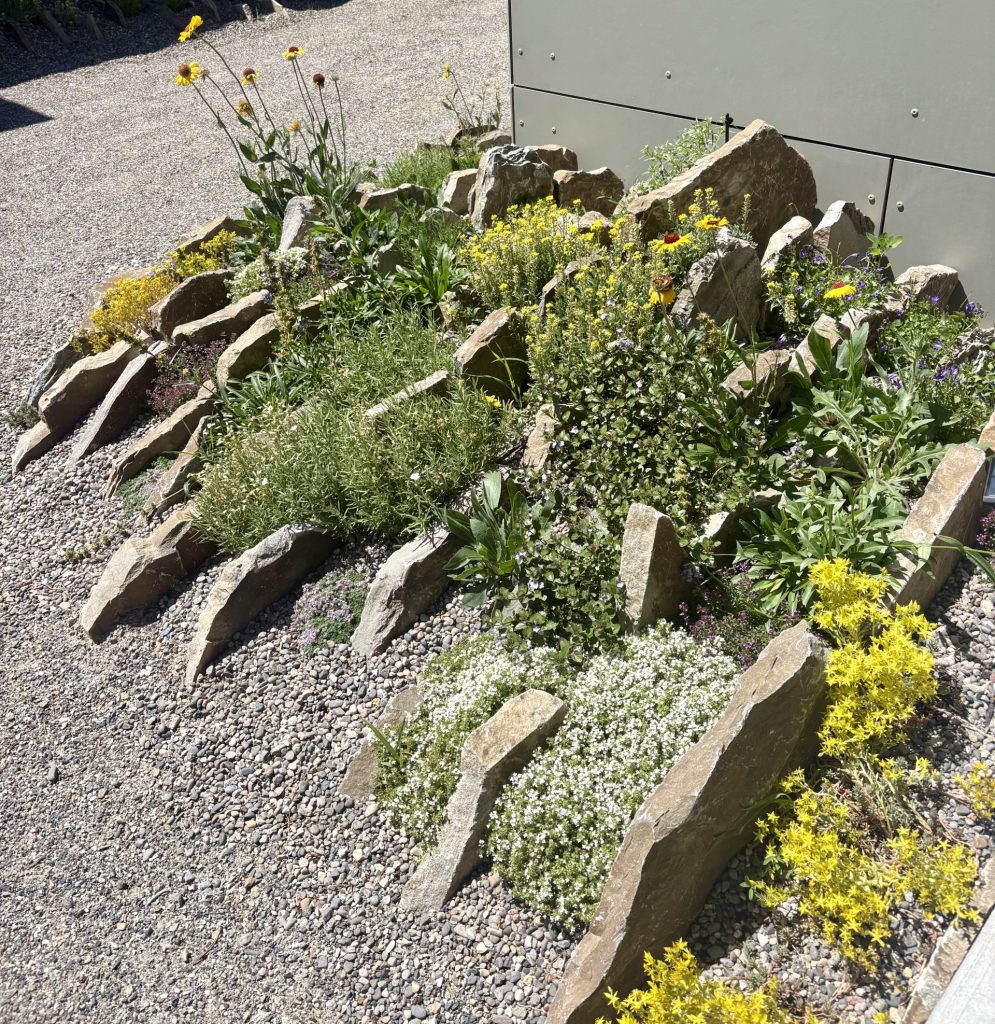
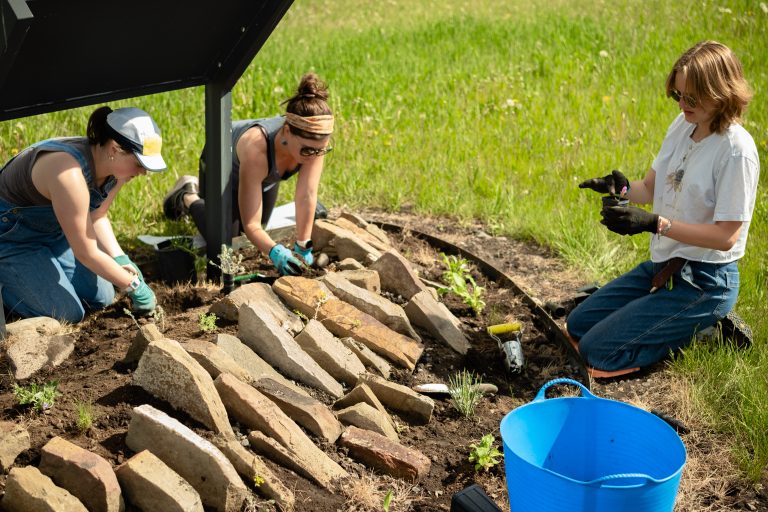
We saw beautiful, creative examples of rocks and hardscaping incorporated alongside thoughtfully selected plants. Crevice gardens were a favorite, using rocks to create visual interest, retain moisture, and provide pockets where native and drought-tolerant plants can thrive.
We also saw how forestry work can improve the health and diversity of a property. Thinning and limbing trees can reduce wildfire risk while allowing more sunlight and moisture to reach the forest floor. At several properties, native wildflowers appeared after dense tree cover was reduced.
Although many of us were taught that cutting down trees is always harmful, strategic forest management can support a healthier, more diverse ecosystem while also helping protect homes and neighborhoods from wildfire.
3. Resilience Happens at the Community Scale
The choices we make on our individual properties matter, but resilience does not stop at the property line.
We can remove every invasive weed from our own yard, but seeds from neighboring properties can continue to spread. We can take steps to harden our homes and create defensible space, but wildfire can still move through an unprepared neighborhood. We can conserve water at home, but excessive water use elsewhere still affects our shared local supply.
Wildfire preparedness, water conservation, and ecosystem health are community-wide challenges. The more neighbors, HOAs, businesses, and property managers participate, the greater the impact becomes.
4. Sometimes Our Best Resource Is Our Neighbor
The garden tours and parties reminded us just how valuable it is to learn from one another.
Property owners openly shared their successes, mistakes, surprises, and lessons learned. They talked about which plants survived, which ones moved to unexpected places, which projects required more maintenance than anticipated, and which choices ultimately saved water, time, or money.
5. With Patience, Nature Will Do Its Thing
A resilient landscape doesn’t establish overnight.
Native plants have evolved to thrive in our climate, but they still need time to develop strong roots and settle into a new landscape. A newly planted garden may look sparse during its first season, but with patience, you can watch it come to life.
Over time, native plants can put on an ever-changing show throughout the summer while providing food and habitat for pollinators, birds, and other wildlife. What begins as a small planting can gradually become a thriving ecosystem just outside your door.
Keep Learning with Alpenscapes
The tours may be over for the summer, but support for creating resilient landscapes is available year-round.
Explore the free Alpenscapes Guidebook, resilient landscaping guidelines, native and climate-appropriate plant lists, free property site visits, educational events, and guidance from local experts at Alpenscapes.org.
“This is a really special collaboration that has a lot of meaning and impact in a way that few other local collaborations could. I feel like our community is safer and more resilient because of their big-picture outlook and work.” – Garden Party Attendee
Thank you to the homeowners who welcomed us into their landscapes and everyone who joined us to learn.